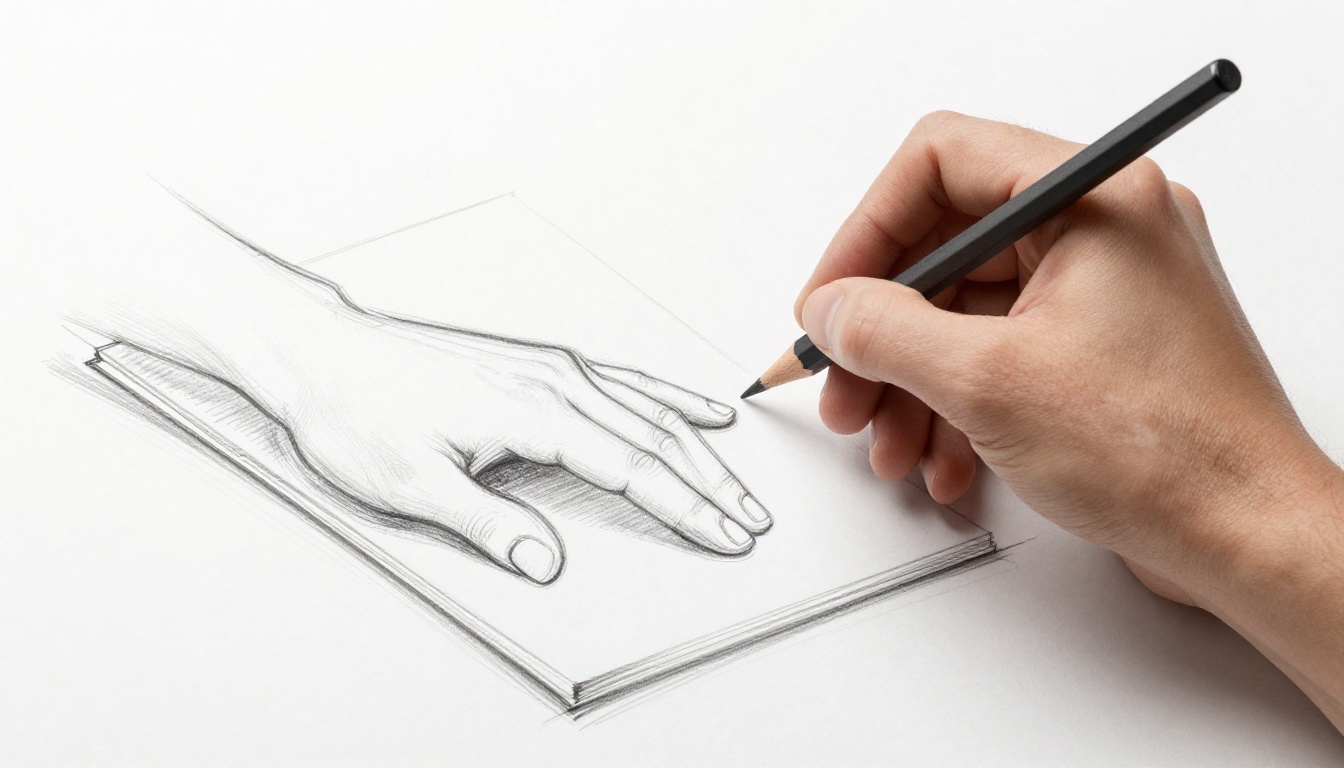
Imagine this: you stare at your own hand, pencil in the other. You trace its edges with your eyes, but never glance down. Your lines wander wild on paper. The result looks wonky, almost funny. Yet it reveals how your eyes truly see.
Contour drawing does exactly that. You use lines to capture a subject’s outer edges and inner shapes. These lines show form and volume without any shading. Artists love it because it builds real skill fast. Kimon Nicolaïdes popularized it in his 1941 book, The Natural Way to Draw. Today, in March 2026, beginners mix it with digital tools like Procreate for fresh twists.
You’ll learn the types, from blind to sighted. See why it sharpens your eye and boosts confidence. Then follow our step-by-step guide. Ready to grab a pencil?
Unpacking Contour Drawing: Definition, History, and Types
Contour drawing means your pencil follows what your eyes see. You build the shape edge by edge. No measurements or guesses. Just pure observation turned into lines.
Kimon Nicolaïdes changed art teaching with it. In his book, he stressed natural seeing over tricks. For details on its roots, check this history of blind contour drawing. Artists used similar methods for centuries. Now it fits 2026 trends like slow, hand-made sketches.
Several types exist. Each trains different skills. Pure contour keeps lines continuous. You add inner details for depth.
Blind Contour: The Ultimate Observation Challenge
Blind contour pushes you hardest. Keep your eyes locked on the subject. Move them slowly along one edge. Your pencil matches that path. Never look at the paper.
Lines come out distorted. That’s the point. It forces total focus. Start with your hand. Hold it steady. Trace fingers and knuckles. After 10 minutes, peek. You’ll spot what your eye misses daily.
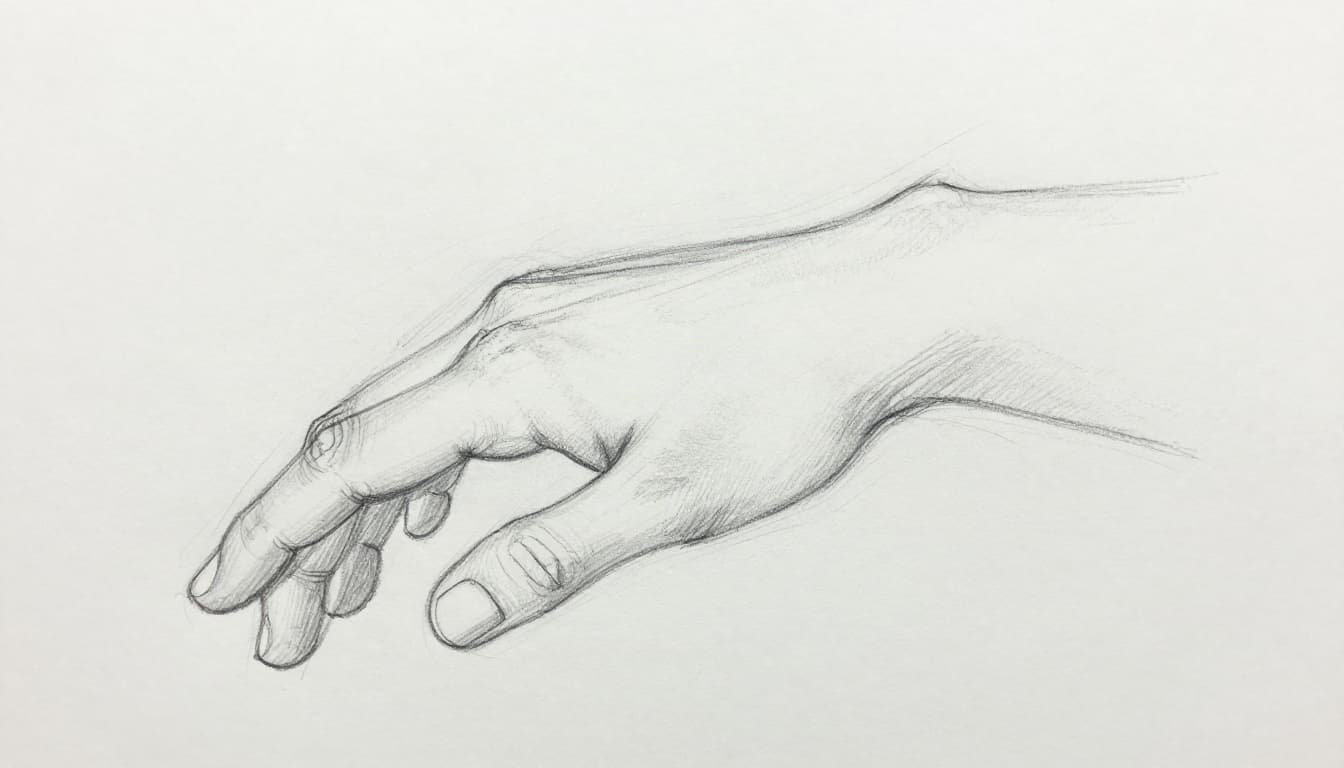
Those wobbles build hand-eye sync. Soon, your drawings snap into place.
Modified and Sighted Contours: Easier Ways In
Modified contour eases you in. Spend 80% of time eyeing the subject. Steal quick paper glances. Keep one continuous line going. Backtrack if needed.
Sighted contour gives more freedom. Switch eyes between subject and paper often. Lift the pencil. Vary thickness for depth. For a clear breakdown of blind versus sighted, see this guide on contour differences.
Blind feels raw. These build on it. They help you progress to polished work.
Why Contour Drawing Transforms Your Art Skills
Contour drawing fixes weak spots quick. It syncs your hand to your eye. You start seeing 3D forms on flat paper.
Here are key wins:
- Hand-eye coordination sharpens first. Your pencil tracks edges exactly. No more mismatched sizes.
- You grasp volume without shading. Inner lines wrap around forms. Think of a potato’s curves.
- Accuracy spreads to all art. Portraits, landscapes get tighter.
- Focus grows, confidence follows. Wobbly starts teach patience. Results reward observation over perfection.
- Compositions improve. You place shapes right before details.
Picasso and Degas used contours. They valued line strength. You get those quick wins too. Practice daily, and watch skills stack up.
Your Easy Step-by-Step Guide to Practicing Contour Drawing
Set up simple. Pick a still subject like fruit or your hand. Use good light. Grab a 2B pencil, loose grip. Plain paper works. Skip the eraser.
Choose one edge. Match eye speed to hand. Cover outlines, then inner shapes. Go 5 to 10 minutes. Build to faces or self-portraits. Do it daily.
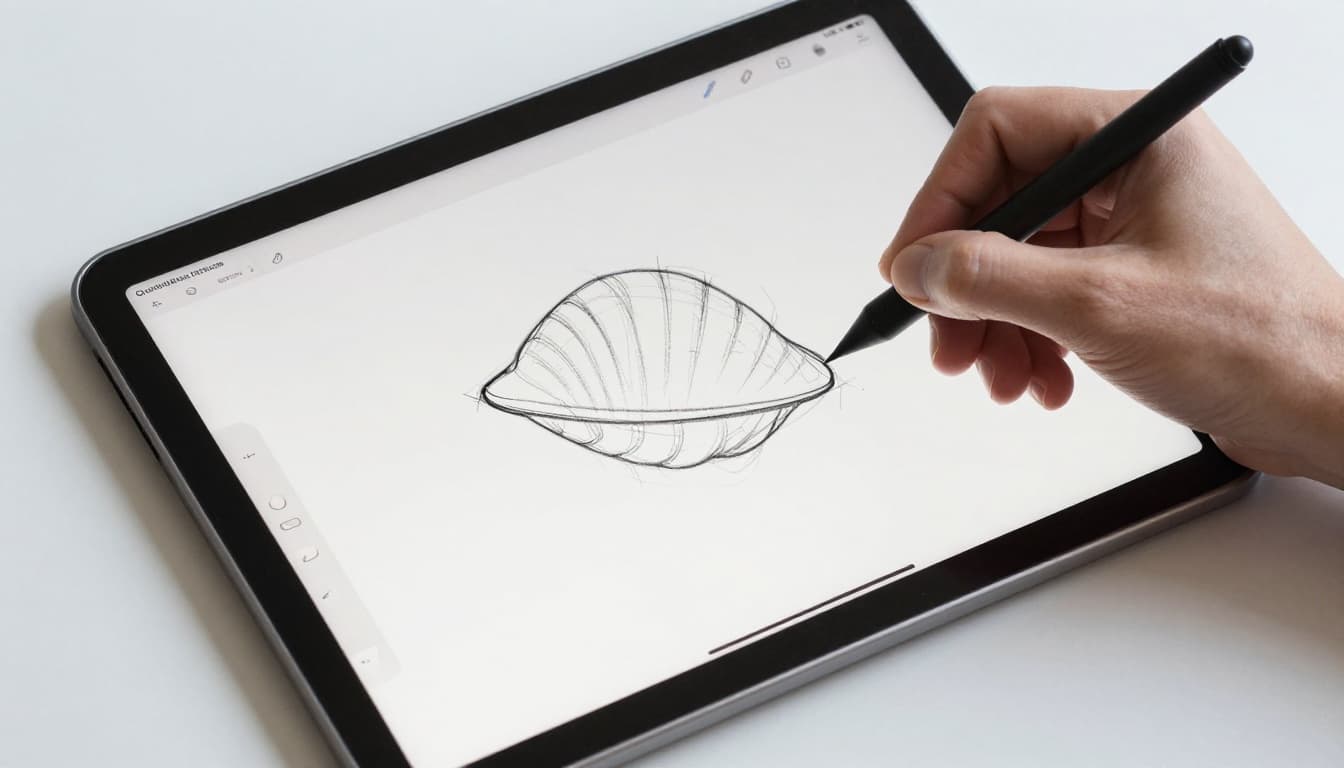
Digital fits 2026 vibes. Apps like Procreate mimic pencil with earth-tone brushes.
Nailing the Blind Contour Technique
Lock eyes on subject. Trace slow. Embrace the mess. Time it for 10 minutes. Reveal, then laugh. It trains pure sight.
Level Up with Modified Contour
Use one line. Limit paper peeks. Add wobbles, but proportions improve. Builds speed on blind basics.
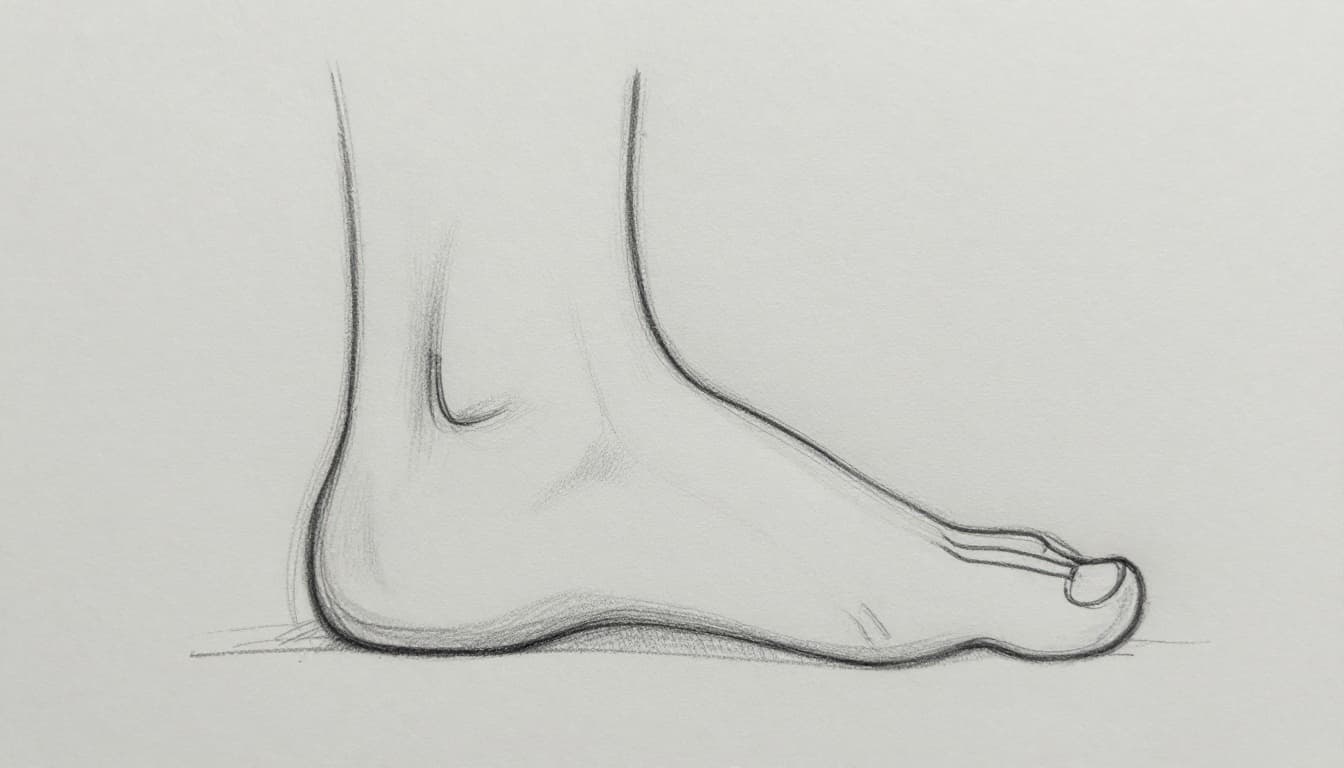
Feet make great subjects. They curve in fun ways.
Refine with Sighted Contour
Glance freely. Thicken lines for front edges. Add inner contours. Skip shading. Practice brings form alive.
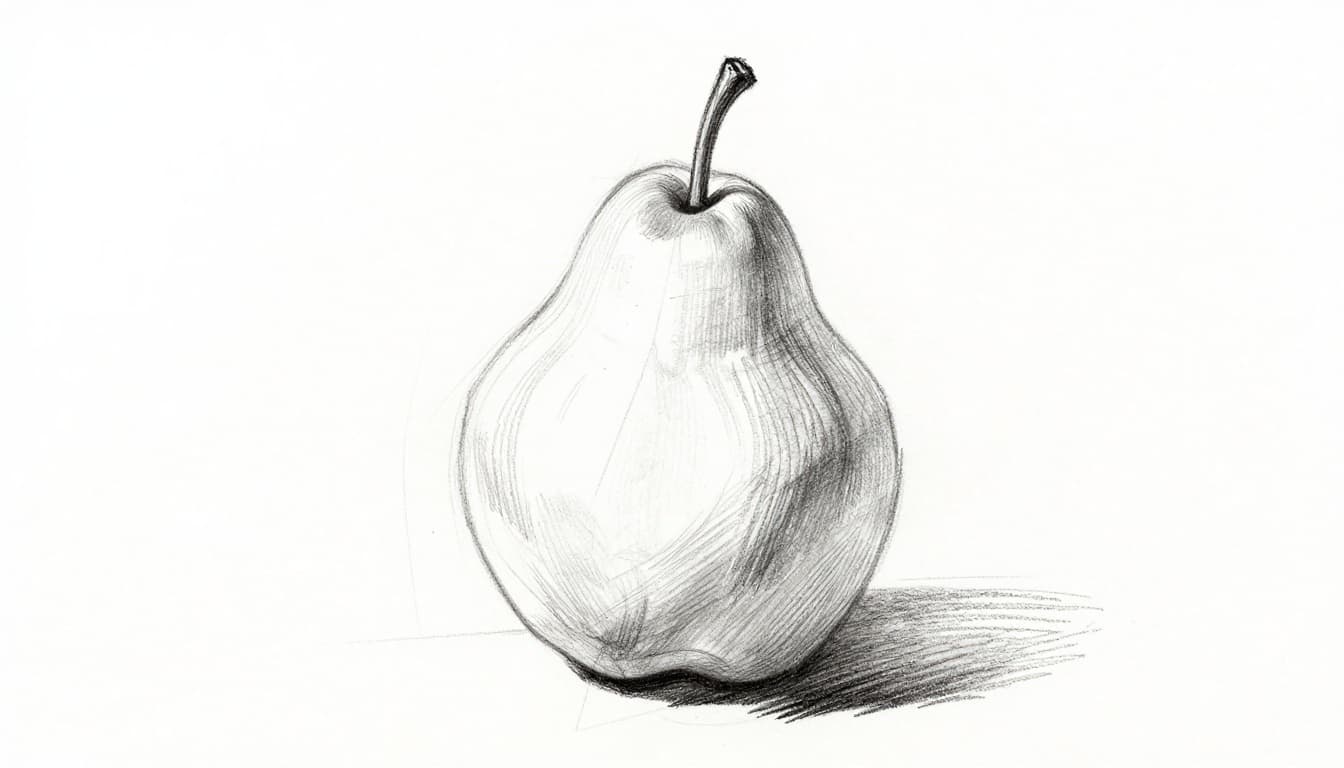
Fruit shows roundness best.
Dodge Common Beginner Mistakes and Grab Pro Tips
Newbies peek too much. Lines rush sketchy. Shading sneaks in. Pencil lifts break flow.
Fixes work fast. Eyes stay 80 to 100% on subject. Slow down. Stick to lines only.
Pitfalls That Trip Up Newbies and Simple Fixes
- Paper peeks dominate. Hurts observation. Solution: count glances, cap at 20%.
- Rushed lines. Makes mess. Go eye-speed only.
- Early shading. Distracts from form. Lines first, always.
- Frequent lifts. Breaks continuity. Commit to the path.
- Perfection chase. Kills fun. Value the process.
Quick Wins and Must-Try Resources for 2026
Time sessions. Mix types. Use soft pencils in earth tones.
Try Lillian Gray’s contour lesson. Proko and Alphonso Dunn on YouTube fit trends. Procreate shines for digital practice.
Laugh at results. Study Picasso lines.
Contour drawing builds skills fast and fun. That wobbly hand sketch? It unlocks better art. Grab your pencil now. Try blind contour on your hand today.
Share your first attempt in comments. What subject hooked you? Subscribe for more tips. Your lines await.