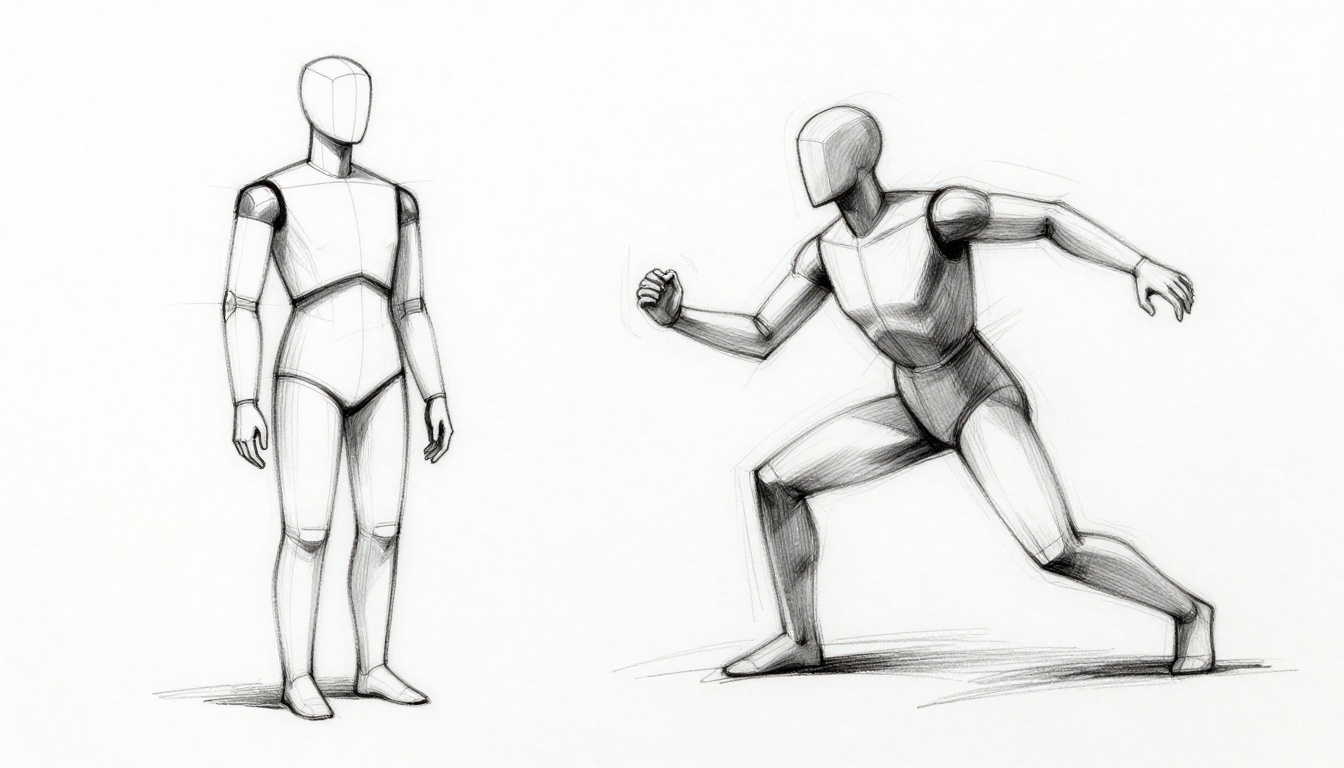
You sit down with your sketchpad, excited to capture that dynamic pose from a photo. But after an hour, your figure looks like a wooden puppet. Arms stick out straight. The torso tilts not at all. Stiff drawings frustrate beginners and pros alike because they drain the life from your art.
Tension builds this problem. You grip your pencil too hard. You draw slow, cautious lines. Poses stay front-on and rigid. Yet simple changes fix it fast. Gesture sketches grab energy in seconds. Loose strokes add flow. With 10 to 30 minutes of daily practice on photo references, your lines loosen up.
Recent 2026 art tips confirm this. Overly careful strokes create mechanical looks. Skipping curves leaves figures flat. In this guide, we’ll uncover why your drawings feel stiff and share proven ways to loosen them up for lifelike results. Let’s spot the issues first.
Spot the Sneaky Reasons Your Drawings Turn Out Stiff
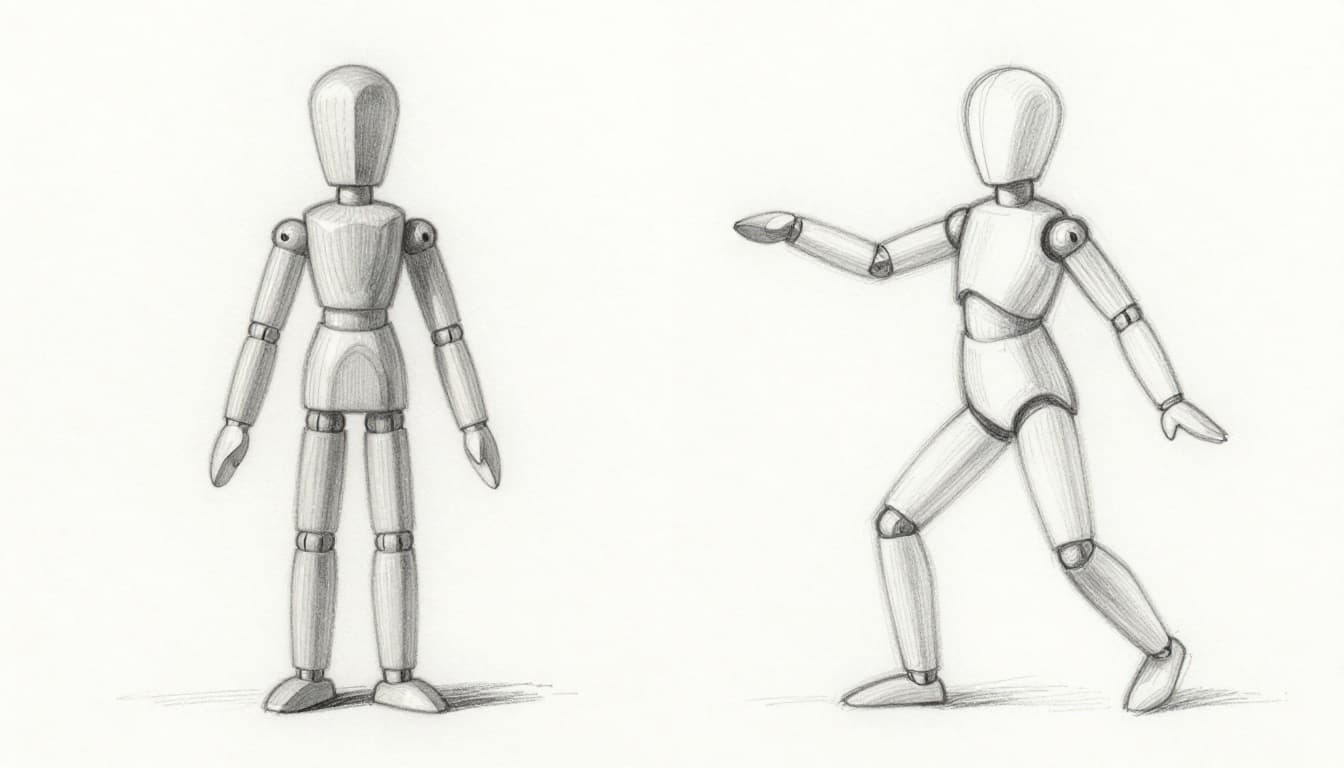
Stiff drawings sneak up because of habits you don’t notice. You aim for perfection too soon. Lines stay uniform and straight. Figures lack depth or tilt. These choices make sketches look posed, not alive. For example, a portrait with even pressure on every stroke resembles a doll more than a person.
Artists in 2026 tutorials point to common traps. Slow, hesitant marks build tension. Poses ignore natural bends. Without overlap, bodies flatten out. Check your last sketch. Does it have sharp joints everywhere? Or does the weight shift to one leg? Self-audits reveal these culprits quick.
Sites like Enhance Drawing’s breakdown of stiff sketch causes list seven key reasons. They match what you see here. Cautious approaches top the list. Next come flat angles and no variation.
Tight Grips and Hesitant Lines Kill the Flow
You clutch the pencil near the tip. Your hand tenses up. Strokes come out slow and wobbly. This transfers anxiety right to the paper. Lines look labored, not smooth.
Hold loose instead. Rest fingers near the end. Swing from your shoulder. Pressure stays light at first. Darken later if needed. Wrist strain drops too. Bad grips cause pain over time. Switch now to avoid it.
Hesitant lines worsen with overthinking. You pause mid-stroke. Results feel forced. Speed helps here. Quick marks capture intent before doubt sets in.
Straight Poses Without Gesture Feel Frozen
Front-facing figures stand tall and still. No twists. No leans. They mimic stick people. Gesture adds the missing spark. It seeks motion first.
Beginners pick safe poses. A model faces you square. Arms hang down. Energy vanishes. Yet real bodies curve and compress. Shoulders round forward. Hips tilt back. Skip this, and sketches freeze in place.
Real-time tips from 2026 stress action lines. They prevent frozen looks. Practice curved paths through the form. Poses breathe then.
Forgetting Angles Makes Everything Flat
Vertical lines rule stiff work. Heads sit straight atop necks. Legs drop perpendicular. Bodies ignore gravity’s pull. Tilts add realism fast.
Hold your pencil at arm’s length. Sight angles against the reference. Match the model’s lean. Transfer that to paper. Small shifts create big depth.
Flat angles stem from eye tricks too. Train by measuring first. Then build around those slants. Figures gain weight and balance.
Unlock Fluid Lines with These Game-Changing Techniques
Fixes start simple. Gesture drawing leads the pack. It trains speed and flow. Line of action follows close. One curve sets the pose’s rhythm. Add overlaps next. Depth emerges.
2026 trends favor angle-first methods. Ergonomic grips gain fans. Digital tools mimic them with pressure sensitivity. Traditional pencils work fine though. Focus on motion over details. Over-refine later.
Blind contours break old habits. Draw without looking down. Lines loosen because perfection fades. Common pitfall: clinging to construction lines. Erase faint ones often. Freedom grows.
RobertDraws guide to gesture practice shows steps for characters. It fits figures too. Fluidity builds quick.
Gesture Drawing: Grab the Pose’s Energy Fast
Set a timer for 30 seconds to two minutes. Pick a photo reference. Scribble the main action. Ignore faces or hands.
Focus on the energy line. How does the body twist? Capture that sweep first. Details distract early on. Speed forces loose marks.
Daily sessions train your eye. Use sites with timed poses. Flow improves after 10 sketches. Muscles remember the rhythm.
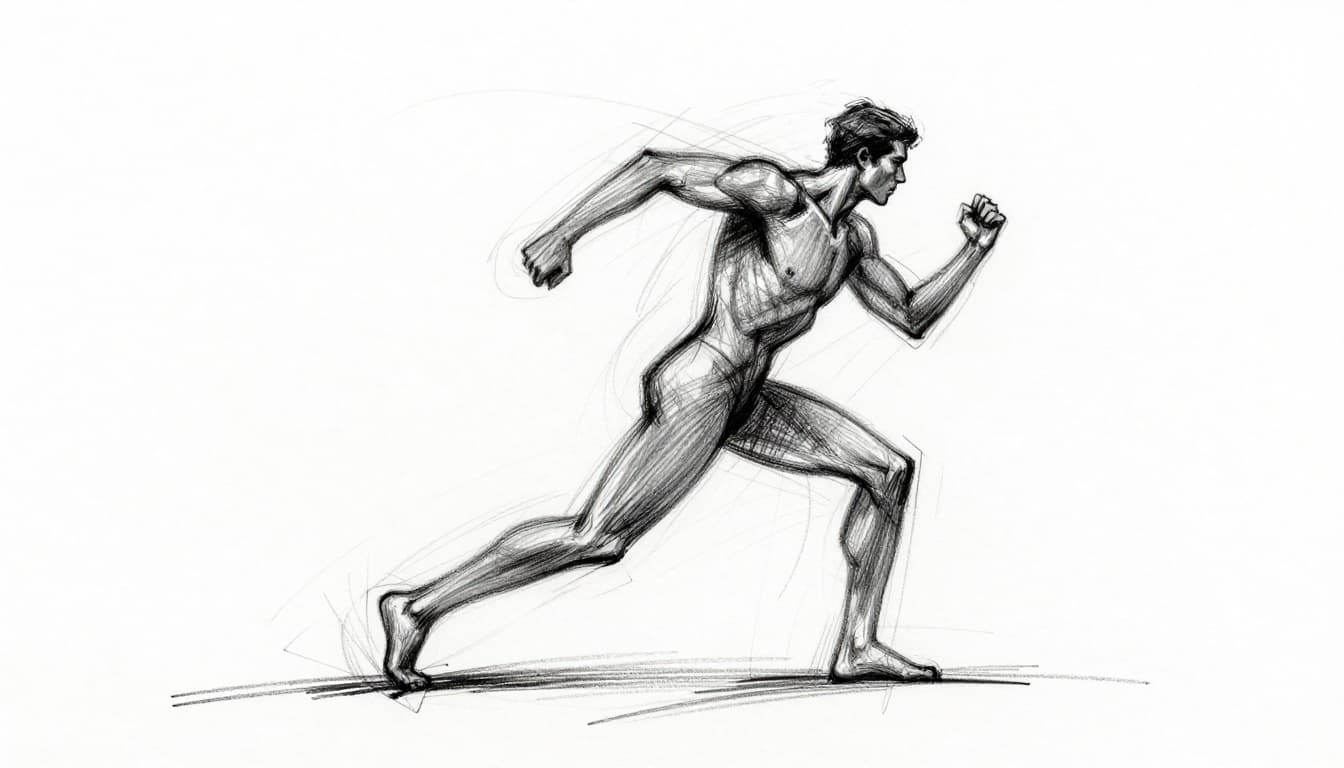
Pitfalls include adding clothes too soon. Stick to forms. Gesture sets the foundation strong.
Line of Action: The Secret Curve for Lifelike Movement
Imagine a single sweeping line. It runs from head through spine to feet. Curve it for leans or turns. Straight lines kill this.
Build limbs off that curve. Torso follows its arc. Legs push against it. Rhythm appears natural.
Practice simple poses first. Lean left. Line C-shapes. Add tilt next. Movement lives.
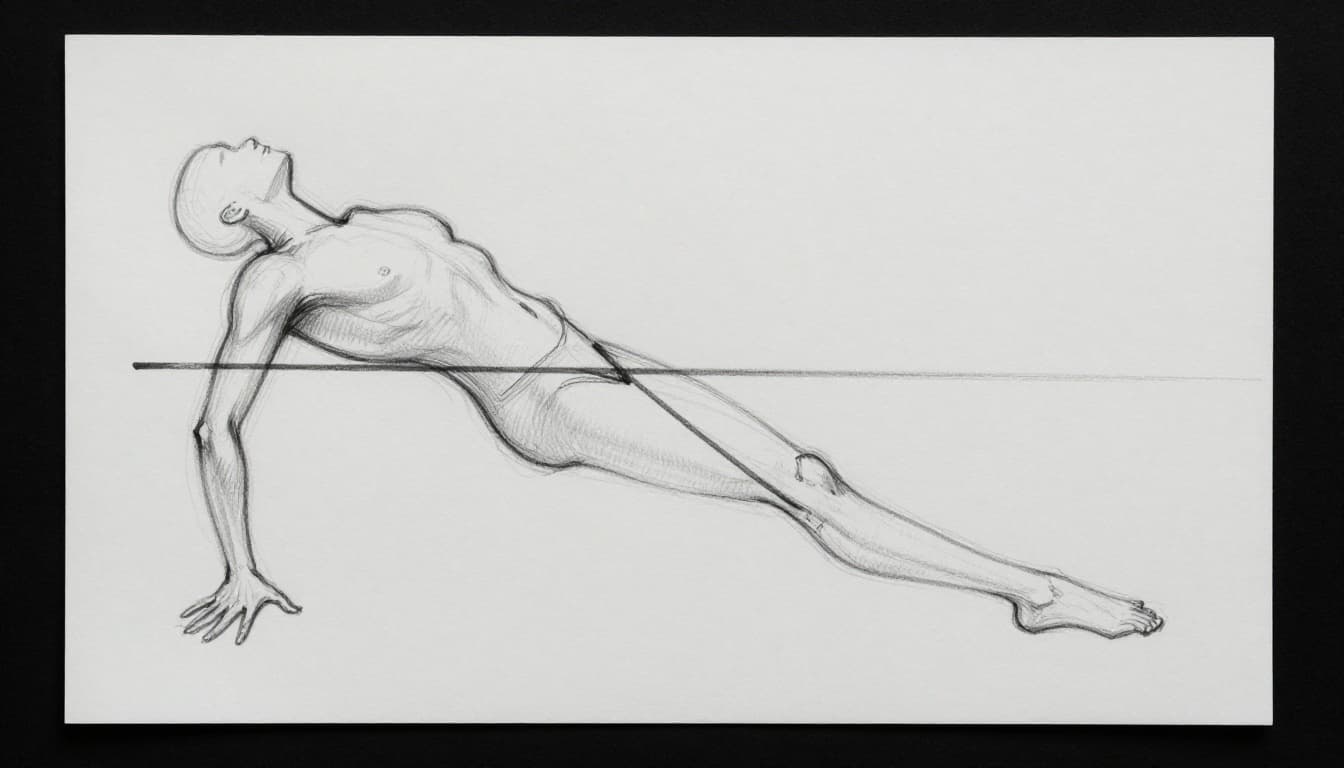
Realtime data backs this. Curved lines prevent stiff spines. They mimic real motion.
Vary Your Lines and Overlap for Depth
Thick lines hug curves. Thin ones trace edges. Uniform weight flattens everything.
Press firm on inner bends. Lighten outer contours. Overlaps connect parts. An arm crosses the torso. Depth pops out.
Draw crossing limbs early. Rotate views too. Figures gain volume. Avoid isolated body parts.
Build Loose Habits with Quick Daily Drills
Consistency beats talent here. Spend 10 to 30 minutes each day. Warm-ups release tension first. Gesture sessions build skill.
Track progress with before-after pairs. Week one feels rigid. Week four flows. 2026 tips add digital variation. Pressure builds naturally there. Pencils match with light holds.
Injury prevention matters. Stretch wrists. Take breaks. Sustainable routines last.
Warm-Up Scribbles and Grip Fixes
Do 100 fast scribbles. Swing your whole arm. Hold pencil loose near the end.
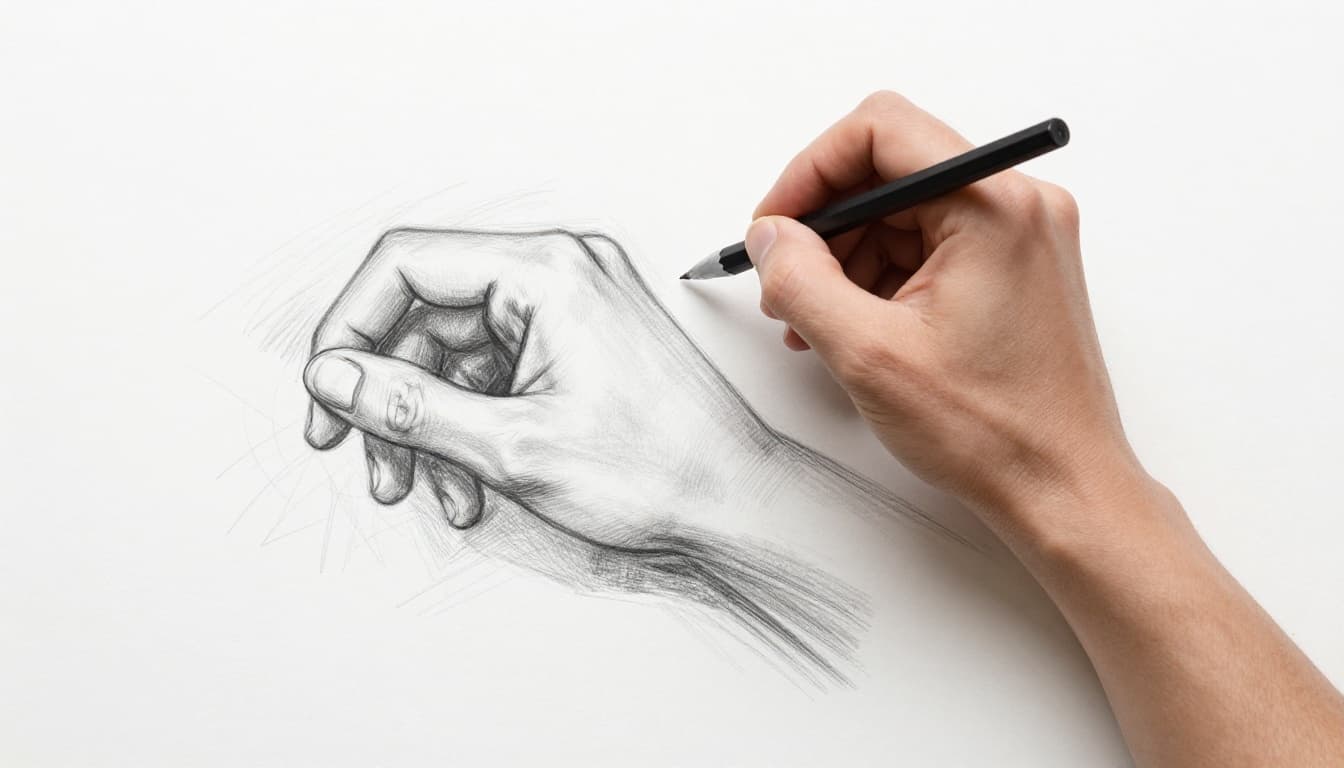
Shoulder leads each stroke. Tension drops. Grip feels natural soon.
Timed Angle Hunts and Gesture Sessions
Measure tilts in one minute. Pencil at arm’s length. Note the slant.
Then full gestures. Five minutes max per pose. Repeat 10 times. Angles lock in. Energy follows.
Spot causes like tight grips and straight poses. Apply gesture, line of action, and overlaps. Drill daily for loose results.
Artists transform fast. One shared how 20-minute sessions turned puppets into people. Yours can too.
Grab a pencil now. Try one warm-up scribble. Share your before-after in comments. Loose, lively art sits just a practice away. Check posts on dynamic poses next.