
You’ve grabbed a pencil to sketch that cool character or landscape in your head. Instead, you end up with wobbly stick figures. Frustrating, right? Everyone wonders the same thing: how long does it take to get good at drawing?
Good means creating confident sketches others recognize and admire, like solid portraits or scenes with right proportions. Recent data shows beginners notice gains after 50 to 100 hours, or about 1 to 3 months of daily work. Skilled levels come after 500 hours, often 1 to 2 years. This guide breaks down realistic timelines, key factors, milestones, and tips to speed your progress. Anyone can improve; you just need a smart plan.
Quick Wins: Notice Real Improvement in Your First 100 Days
Beginners see fast changes with simple routines experts recommend. Short daily sessions build skills quicker than random doodles. Focus beats scattered efforts every time.
Data backs this: after 50 to 100 hours, lines smooth out, and shapes hold together. One artist shared how 30 to 60 minutes a day led to steady gains in months. You gain control over straight lines, basic circles, boxes, and loose sketches. Progress feels real because you compare week to week.
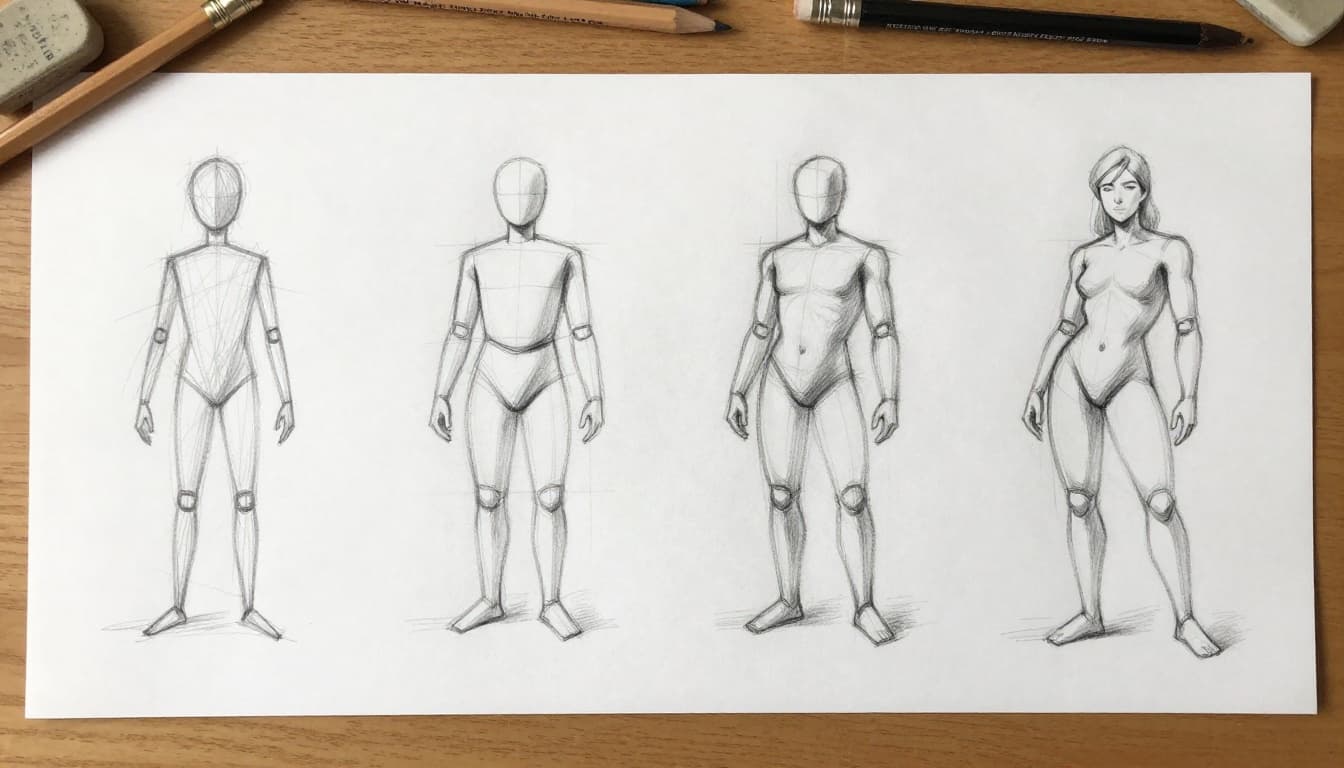
Students hit this mark often. One followed daily habits and ditched frustration by day 90. Short bursts, like 10 to 20 minutes, work better than weekly marathons. Your brain locks in muscle memory faster. In short, stick to routines, and you’ll sketch without shaking.
The Rule of Five Ones for Daily Progress
Try this daily setup: study one technique, like basic shading. Then tackle one project, such as copying a photo. Next, do one free drawing from life. Finally, review one past piece for notes.
This builds habits without overload. For example, spend five minutes on curves one day. It adds up. Experts suggest similar plans for busy folks. Check daily drawing routines for beginners to adapt yours. Results show up quick because each part targets a skill.
The Road to Skilled Drawing: 18 Months to 3 Years of Consistent Practice
Aim for 1 hour a day, 5 to 6 days a week. Data points to skilled work, like characters or environments, after 500 to 900 hours. That’s 1 to 2 years for most. Mastery takes longer, around 5,000 hours, but check progress every 3 months.
Solo practice works, yet courses cut time. Focus on weak spots, such as anatomy. Progress jumps unevenly, so track hours. One pro logged 2,500 hours in bursts, but steady wins races.
See how to improve massively in 12 months for monthly plans. Deliberate work on problems speeds you up.
Hitting Intermediate Milestones at 6-12 Months
By 6 months, or 200 to 500 hours, proportions improve. You handle basic shading, photo copies, and simple perspective. Think decent portraits or character sketches.
Scenes start to form too. Light and values make forms pop. Students report big leaps here with focus.
Advanced Skills After 18 Months
After 18 months, complex anatomy feels natural. Full scenes emerge with confidence. Results look near-pro.
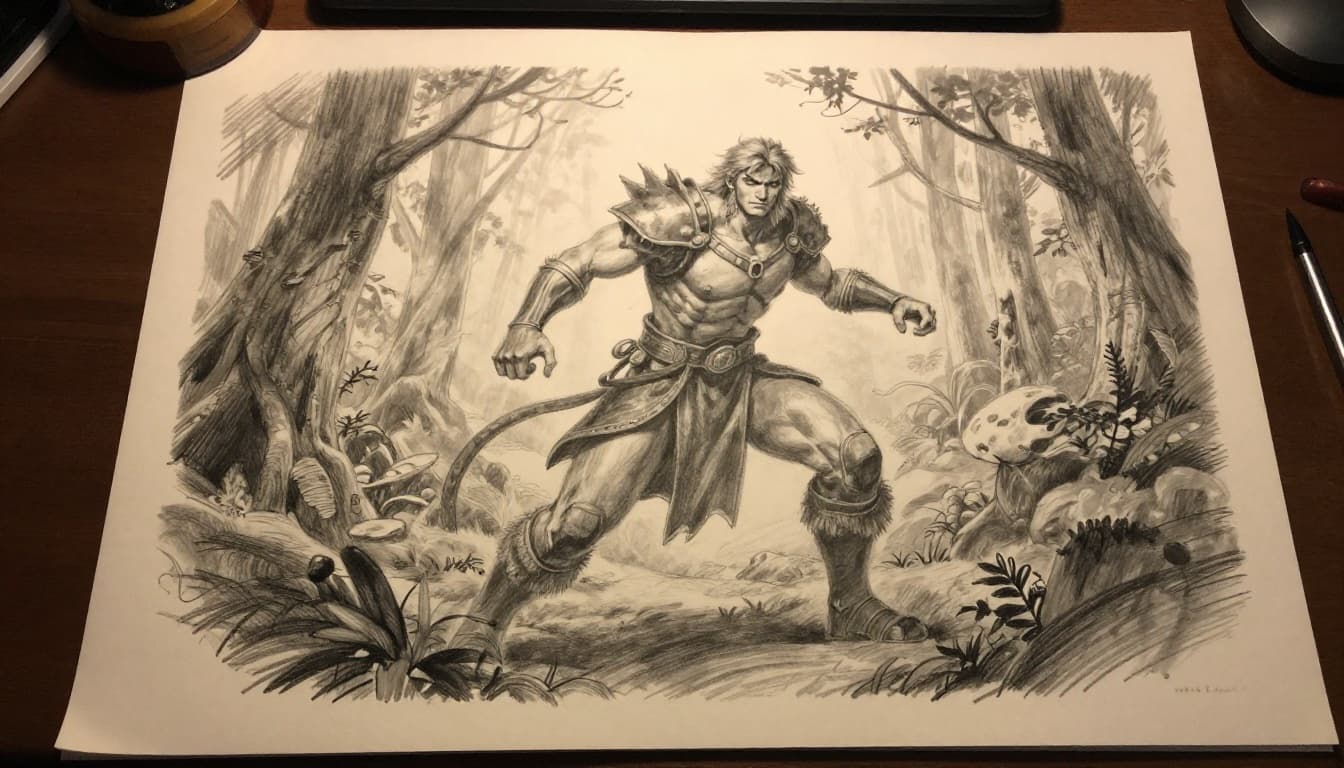
Total hours matter most. Consistent effort gets you there.
Factors That Speed Up or Slow Down Your Drawing Journey
Practice quality tops the list, then consistency. Deliberate drawing targets weaknesses, unlike mindless repeats. Daily 30 minutes beats 3-hour weeks, per studies.
Feedback halves time often. Mindset helps too; accept rough starts. Age does not block you. Focus on fun and one goal.
For routines that fit life, read three drawing routines that work.
Why Consistent, Focused Practice Trumps Everything
Quality means drilling problems, like wonky hands. Quantity builds habit; 30 minutes daily logs 180 hours a year. Sporadic sessions fade gains. Buffers let you skip sick days without guilt.
The Power of Feedback and Structured Learning
Solo trial and error drags on. Classes or critiques fix errors fast. Join online groups for quick notes. Structured paths, like step-by-step guides, save months.
Mindset Shifts That Make Learning Fun and Fast
Own the early mess; it passes. Track weekly wins. Pick joyful topics. Ditch perfection; progress compounds.
Track These Milestones to Stay Motivated and Measure Growth
Use checkpoints from student data. Review sketches quarterly with before-and-afters. This keeps you going.
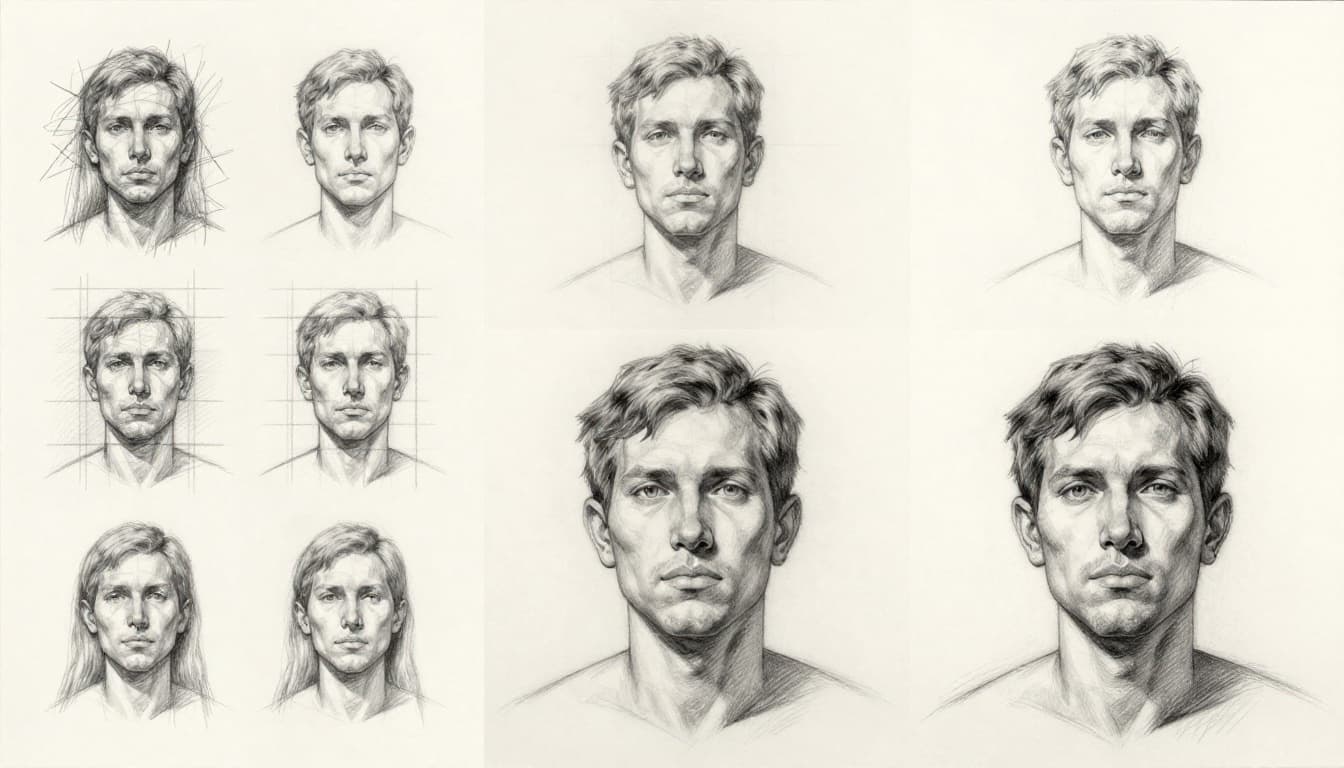
Visual stages match timelines. Stay realistic.
Months 1-3: Nail the Basics
Master grip, lines, shapes. Sketch simple objects loosely, no frustration.
6 Months to 1 Year: Build Realistic Forms
Proportions lock in. Add shading, perspective. Copy photos; build basic scenes.
Beyond 1 Year: Create Your Own Masterpieces
Draw characters, environments. Handle complex anatomy. Illustrations flow confident.
Basics in 100 days, skilled in 18 to 36 months, mastery beyond. Consistency makes it real. Start today with 10 minutes. Share your goal below or grab a pencil. Your first solid sketch waits.